Back to News
Cleaning Tips
Tracie Dudley Shaw
Pristine Cleaning Services
Back of House Cleaning Standards for Large Sites & Venues
While front-of-house areas often get the attention, back-of-house hygiene is what keeps a building moving safely. Learn how to maintain standards in busy service corridors, staff areas, and loading bays.
Why Back of House Cleaning Matters
Front of house gets the attention, but back of house keeps the building moving. In large sites like venues, stadiums, arenas, retail parks, and multi-tenant buildings, the behind-the-scenes areas are often where standards slip first.
This isn't because teams don't care, but because these spaces are busy, functional, and easy to deprioritise. However, back-of-house hygiene impacts everything, including safety, staff wellbeing, pest control, and even the overall customer experience.
What Counts as Back of House?
Back-of-house areas usually include:
- Staff corridors and service hallways
- Break rooms and kitchens
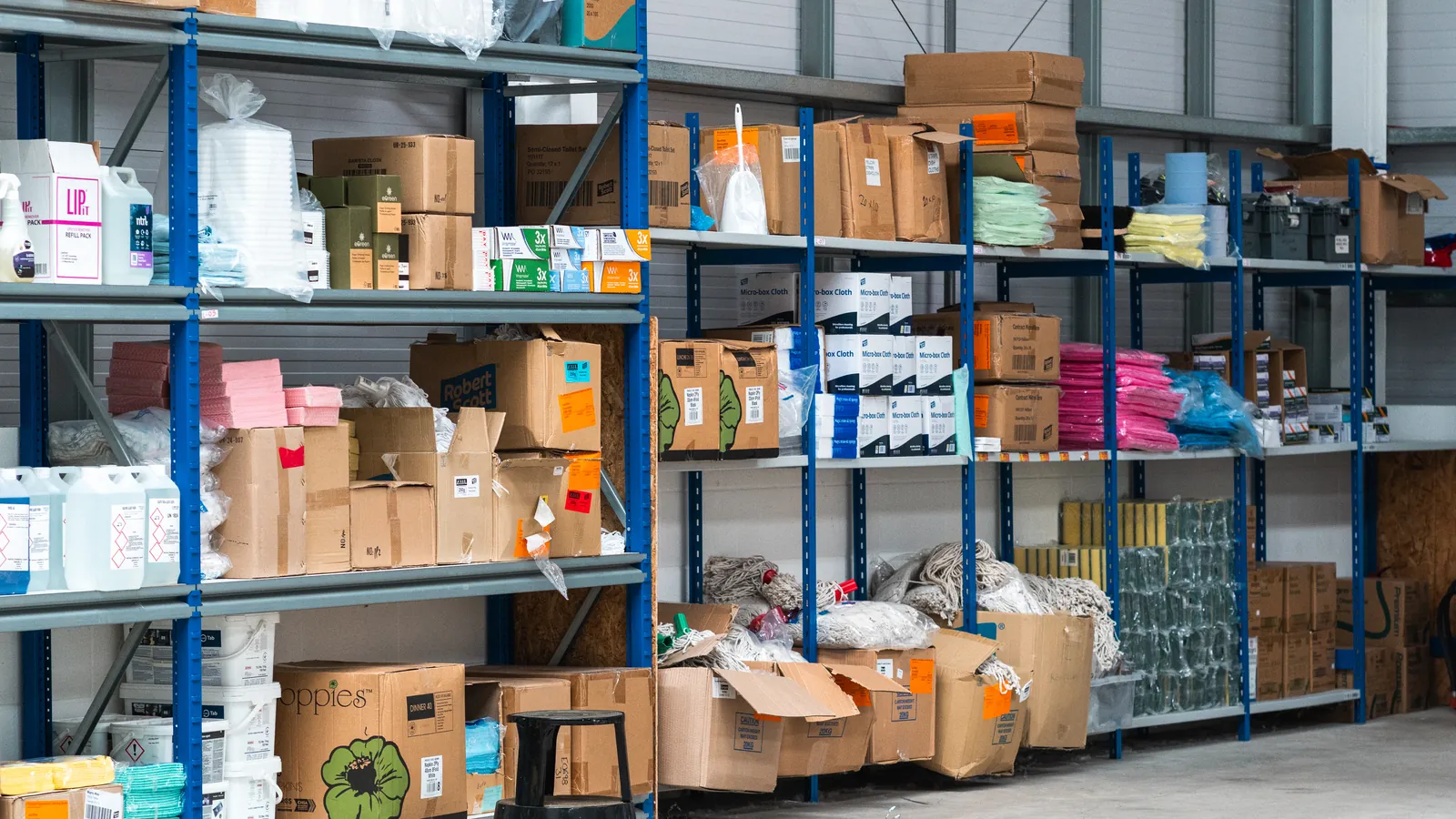
- Storage rooms and equipment areas
- Waste handling zones
- Offices and control rooms
- Loading bays and delivery entrances
- Toilets used by staff and contractors
The Risks of Neglect
Failure to maintain these areas leads to significant operational risks:
1. Safety and Compliance: Slip risks rise fast in service corridors. Grease, water, and debris cause incidents.
2. Staff Wellbeing and Retention: If staff areas feel neglected, people notice. Clean break rooms are a basic expectation.
3. Pest Prevention: Waste areas and food zones are the first places pests target. Consistent cleaning reduces this risk.
4. Operational Efficiency: Cluttered, dirty service areas slow teams down and create avoidable maintenance issues.
Establishing Cleaning Standards
Large sites run on flows: deliveries, staff shifts, waste removal, and event changeovers. Your cleaning plan should follow that rhythm rather than just moving room by room.
Create Zones with Clear Frequency
- High traffic routes: Daily cleaning
- Staff welfare areas: Daily cleaning with weekly detail
- Waste zones and loading bays: Daily cleaning with scheduled deep cleans
- Storage and plant areas: Weekly cleaning with monthly checks
Separate Visible Clean from Hygiene Clean
A corridor can look fine and still be a hygiene issue if handrails, push plates, and door edges are not cleaned properly. **High touch points** should always be part of the standard routine.
A Simple Back of House Checklist
Daily Tasks:
- Floors cleared and cleaned along service routes
- Bins emptied and waste points wiped
- Staff toilets cleaned, stocked, and checked for odours
- Handrails, door handles, and push plates disinfected
- Break room tables, sinks, and touchpoints cleaned
Weekly Tasks:
- Deep clean around skirting, corners, and behind doors
- Clean internal glass and door frames
- Detail clean staff kitchen appliances
- Scrub high-use floors as needed
Monthly Tasks:
- High-level dusting and vent cleaning
- Audit storage areas for build-up and spill marks
- Review waste handling points and hygiene controls
The Biggest Mistake on Large Sites
The most common error is trying to run the same cleaning routine everywhere. Large buildings need a plan that matches real usage. A staff corridor used by 300 people a day needs a different standard than a storage room opened twice a week.
At Pristine, we build cleaning specifications around your site’s schedule, footfall, and risk areas, ensuring standards are consistent across both front and back of house.