
Quick Answer
Commercial cleaning cost in Yorkshire depends on the building, the standard needed, how often the clean happens and whether specialist work is involved. A small office with regular daily cleaning is priced very differently from a warehouse, commercial kitchen, factory floor or high-level clean that needs trained operatives and access equipment.
The safest way to price it is with a site survey. That gives the cleaning company enough information to quote for the real job, not a neat version of it on paper.
Why There Is No Sensible One-Price Answer
Cleaning is one of those services where a cheap quote can look helpful at first and become a headache later.
If the quote has not allowed enough time, the work usually slips in one of three places:
- Corners, edges and high-touch points get missed.
- Staff rush the clean to stay within the agreed hours.
- Specialist areas are treated like routine office cleaning.
That is not good for the client, the cleaner or the building.
A proper commercial cleaning quote should be built around what the site actually needs. That means looking at use, risk, access, staffing, frequency and the standard you expect to hold every week.
The Main Factors That Affect Commercial Cleaning Cost
Site Size And Layout
Square footage matters, but layout matters just as much.
Two buildings can be the same size and need very different cleaning plans. An open-plan office is quicker to move through than a building with multiple floors, separate washrooms, staff kitchens, plant rooms, stairwells, corridors and storage areas.
The quote should consider:
- Number of rooms and floors
- Amount of furniture or equipment
- Washrooms, kitchens and welfare areas
- Entrances, stairwells and shared corridors
- Lifts, glass, doors and touchpoints
- Waste points and external bin areas
The more awkward the building is to move around, the more time the clean needs.
Cleaning Frequency
Frequency has a direct effect on price, but it also affects standards.
Some sites need daily cleaning because footfall is high, washrooms are busy or staff kitchens are used heavily. Others may only need two or three visits a week, with scheduled deeper work monthly or quarterly.
Common options include:
- Daily cleaning for busy offices, schools, retail units and high-footfall spaces
- Weekly or twice-weekly cleaning for smaller workspaces
- Periodic deep cleans for kitchens, warehouses, factories and back-of-house areas
- One-off cleaning after building work, events, shutdowns or seasonal use
Less frequent cleaning can reduce the monthly bill, but only if the building can realistically cope with it. If issues build up between visits, the site may end up needing more reactive deep cleaning later.
Type Of Site
A standard office clean is not the same as an industrial clean.
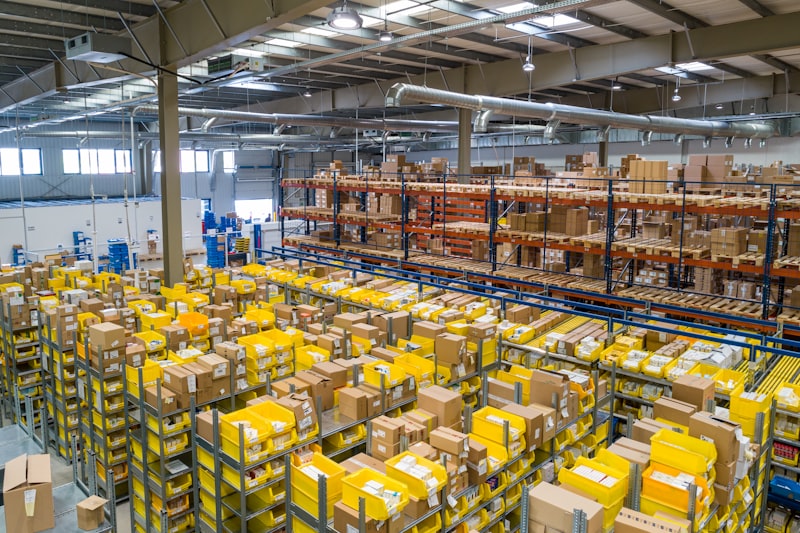
Commercial cleaning can include offices, retail spaces, public buildings, apartment blocks, schools, showrooms and hospitality venues. Industrial cleaning can involve warehouses, factories, production lines, loading bays, racking, machinery areas and high-level dust.
Specialist sites usually cost more because they involve:
- More planning
- More risk assessment
- Different chemicals or equipment
- Trained operatives
- Out-of-hours or shutdown work
- More detailed handover checks
The quote should match the environment. A factory floor cannot be priced like a boardroom.
Risk, Compliance And Specialist Work
Some cleaning tasks carry more responsibility than others.
Commercial kitchen deep cleaning, high-level cleaning, extraction cleaning, factory cleaning and work around machinery all need proper planning. So do cleans involving chemical use, grease, dust, waste areas, awkward access or working at height.
The HSE notes that effective cleaning is part of managing slips and trips, but the cleaning process itself can introduce hazards if wet floors, trailing cables or access routes are not controlled.
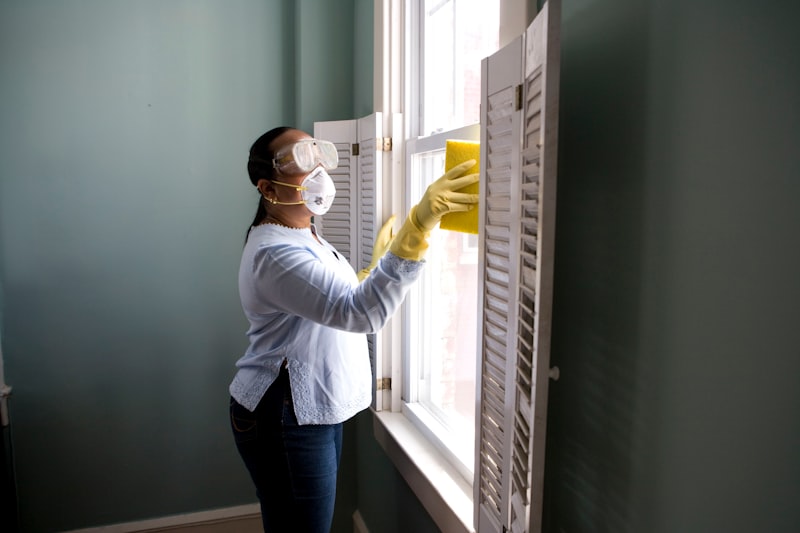
For chemical use, COSHH also matters. The HSE warns that some cleaning products can cause burns, skin problems, allergies or asthma if they are not managed properly.
That is why a professional quote should allow time for safe methods, not just visible results.
Access And Working Hours
Many businesses need cleaning to happen around normal operations.
That might mean:
- Early mornings
- Evenings
- Weekends
- Overnight work
- Half-term or holiday cleaning
- Planned shutdown periods
Out-of-hours cleaning can reduce disruption, but it may affect cost because staffing, supervision and access arrangements need planning.
If a site needs keyholder access, alarms, security sign-in, permits, escorts or induction, those details should be discussed before the quote is finalised.
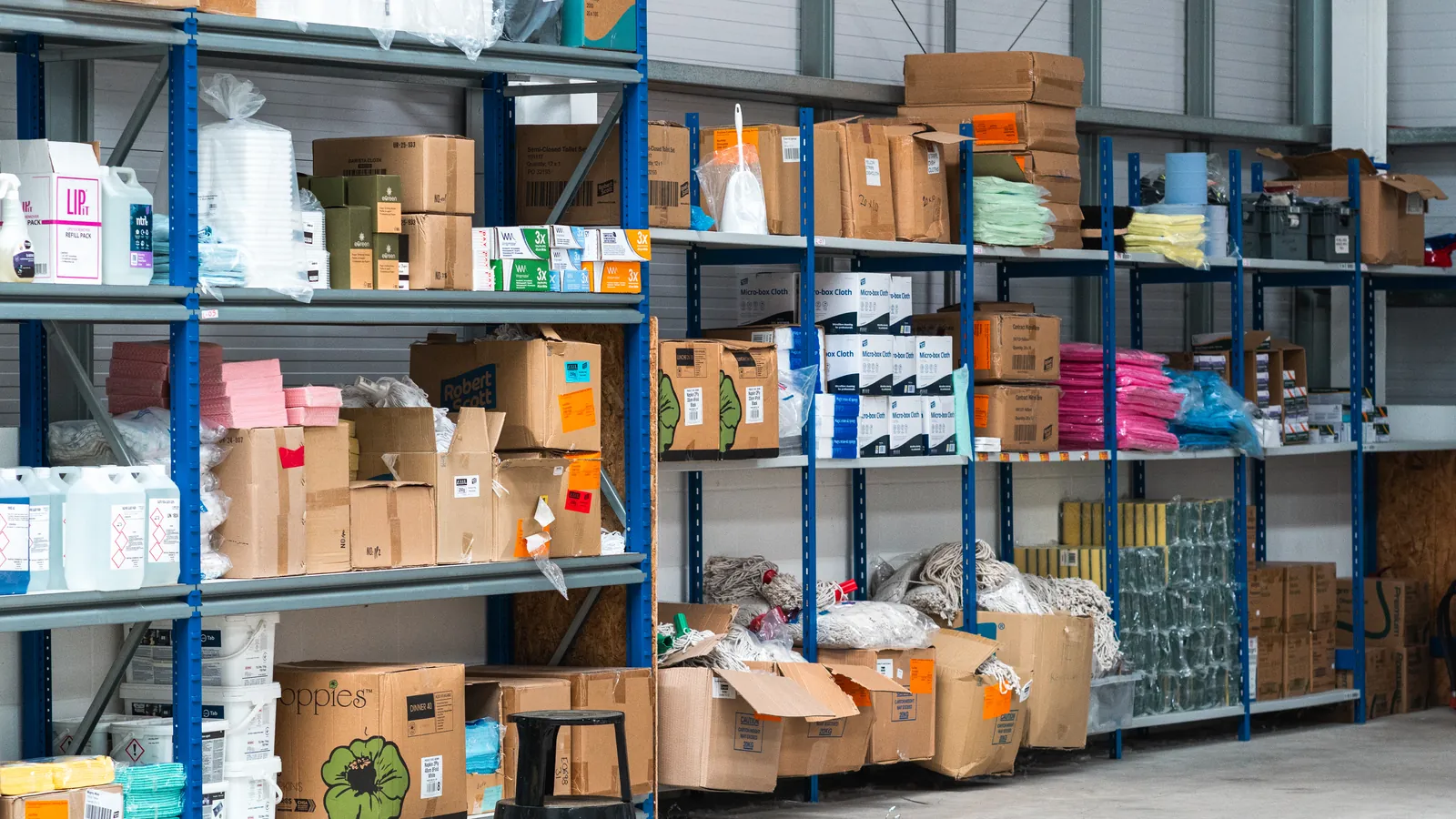
Materials, Equipment And Consumables
Some quotes include cleaning products and equipment. Others separate them out.
It is worth asking what is included, especially if your site needs:
- Floor machines
- Pressure washing
- High-level access equipment
- Specialist degreasers
- Waste-area cleaning products
- Washroom supplies
- Paper products, soaps or bin liners
A lower monthly figure is not always cheaper if essential items are missing from the specification.
What A Good Commercial Cleaning Quote Should Include
A good quote should not be vague. It should tell you what is being cleaned, how often, and how standards will be checked.
Look for:
- A clear list of areas covered
- Daily, weekly and monthly tasks
- Start times and working windows
- Number of cleaning hours or visits
- Specialist tasks priced separately
- Responsibilities for consumables and supplies
- Health and safety requirements
- Quality checks and point of contact
- What happens if standards slip
If the quote only gives a total price with very little detail, it is hard to compare properly.
Cheap Cleaning Vs A Cleaning Plan That Holds Up
Price matters. Nobody wants to overpay for cleaning.
But the cheapest quote often comes from shaving time. That can mean fewer checks, less supervision, weaker communication and a cleaning team that is being asked to do too much in too little time.
The better question is:
Will this cleaning plan hold up when the building is busy?
That matters more than the lowest monthly figure. A good provider should be able to explain how the price has been built, where the time is going and what standards you can expect.
How To Keep Cleaning Costs Under Control
You can reduce waste in the cleaning budget without lowering standards.
Start with these steps:
- Be clear about high-priority areas such as washrooms, kitchens, entrances and customer-facing spaces.
- Separate routine cleaning from periodic deep cleaning.
- Agree realistic frequencies for each zone.
- Schedule specialist cleaning during quieter periods.
- Keep storage and access routes clear so cleaners can work efficiently.
- Report recurring issues early, before they become bigger jobs.
- Review the specification after the first month, not after a year of frustration.
The best cleaning plans are adjusted around how the building is actually used.
What To Prepare Before A Site Survey
Before asking for a commercial cleaning quote, gather a few basics:
- Building size and number of floors
- Opening hours
- Current cleaning schedule, if there is one
- Main problem areas
- Floor types
- Number of washrooms and kitchens
- Waste-handling arrangements
- Any access or security requirements
- Photos of specialist areas, if helpful
This gives the cleaning company a better starting point and helps avoid guesswork.
Why Pristine Prices After Understanding The Job
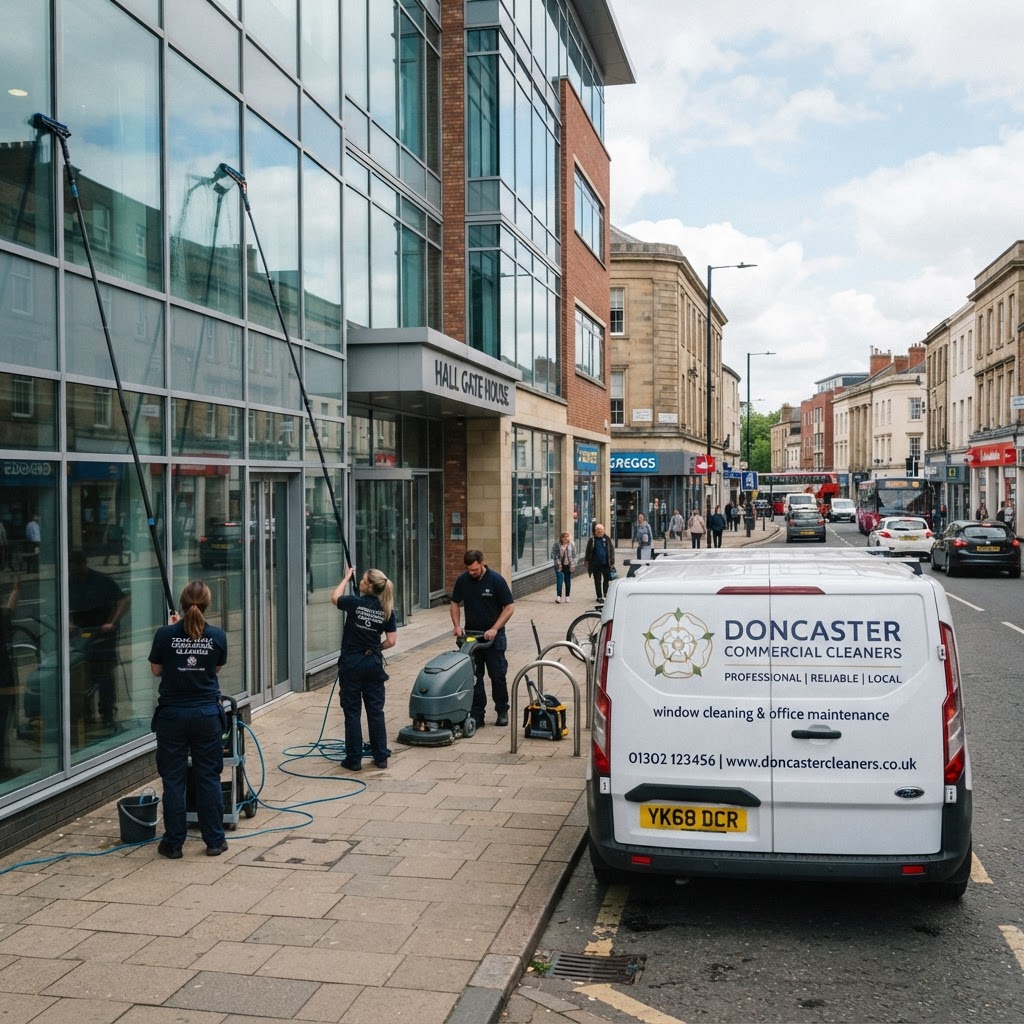
Pristine Commercial Cleaning Services works across offices, warehouses, factories, commercial kitchens, public buildings, hospitality venues and specialist industrial spaces across Yorkshire.
That range matters because every job is slightly different. A quote for a regular office clean is not built the same way as a high-level warehouse clean, a commercial kitchen deep clean or a factory shutdown clean.
If you want a realistic figure, the best next step is a conversation and, where needed, a site survey.
Got a job you are not sure about? Ask Pristine. If it needs cleaning, there is a good chance the team has seen something similar before.
FAQs
How much does commercial cleaning cost in Yorkshire?
Commercial cleaning cost in Yorkshire depends on the size of the site, the cleaning frequency, the type of building, access requirements and any specialist work. A small office clean will usually be simpler to quote than a warehouse, factory, high-level clean or commercial kitchen deep clean.
Do commercial cleaners charge by the hour or by the job?
Both pricing models are common. Regular contract cleaning is often built around agreed cleaning hours and visit frequency, while one-off deep cleans may be quoted as a job after a site survey. The important part is understanding exactly what the price includes.
Why do cleaning companies need a site survey?
A site survey helps the cleaning company see the real layout, risks, access, surfaces and problem areas. It reduces guesswork and helps create a quote that matches the work needed, rather than a generic price that may not hold up in practice.
How can I compare commercial cleaning quotes fairly?
Compare the specification, not just the total price. Check what areas are included, how often tasks happen, whether materials are included, how quality is checked, and what support is available if standards drop. A cheaper quote is not better if key work is missing.