
Quick answer
Planning event cleaning in Yorkshire? Your cleaning specification should cover the site before guests arrive, cleaning while the event is live and the post-event handback. It should define staffing, zones, washrooms, waste, access, communications and the required turnaround time.
Plan cleaning alongside security, catering and access
Leaving cleaning until the final week creates avoidable problems. The contractor needs to understand expected attendance, areas in use, supplier schedules, waste volumes and how quickly the venue must be ready afterwards.
A practical specification separates the service into three phases: pre-event, live-event and post-event cleaning.
Start with a complete site map
The cleaning team should understand the full event footprint, not only the public-facing spaces.
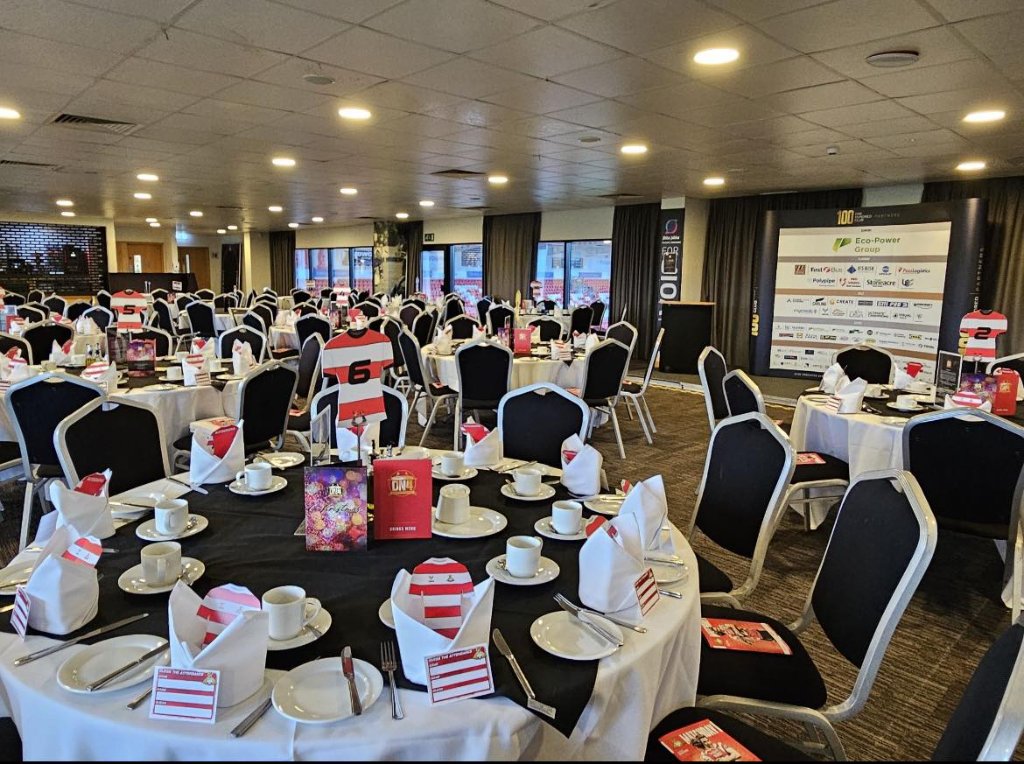
- Entrances, concourses, seating and hospitality suites.
- Bars, food concessions, kitchens and back-of-house corridors.
- Public and staff washrooms, changing rooms and accessible facilities.
- Outdoor approaches, fan zones, car parks and loading areas.
- VIP, media, staff and performer or player areas.
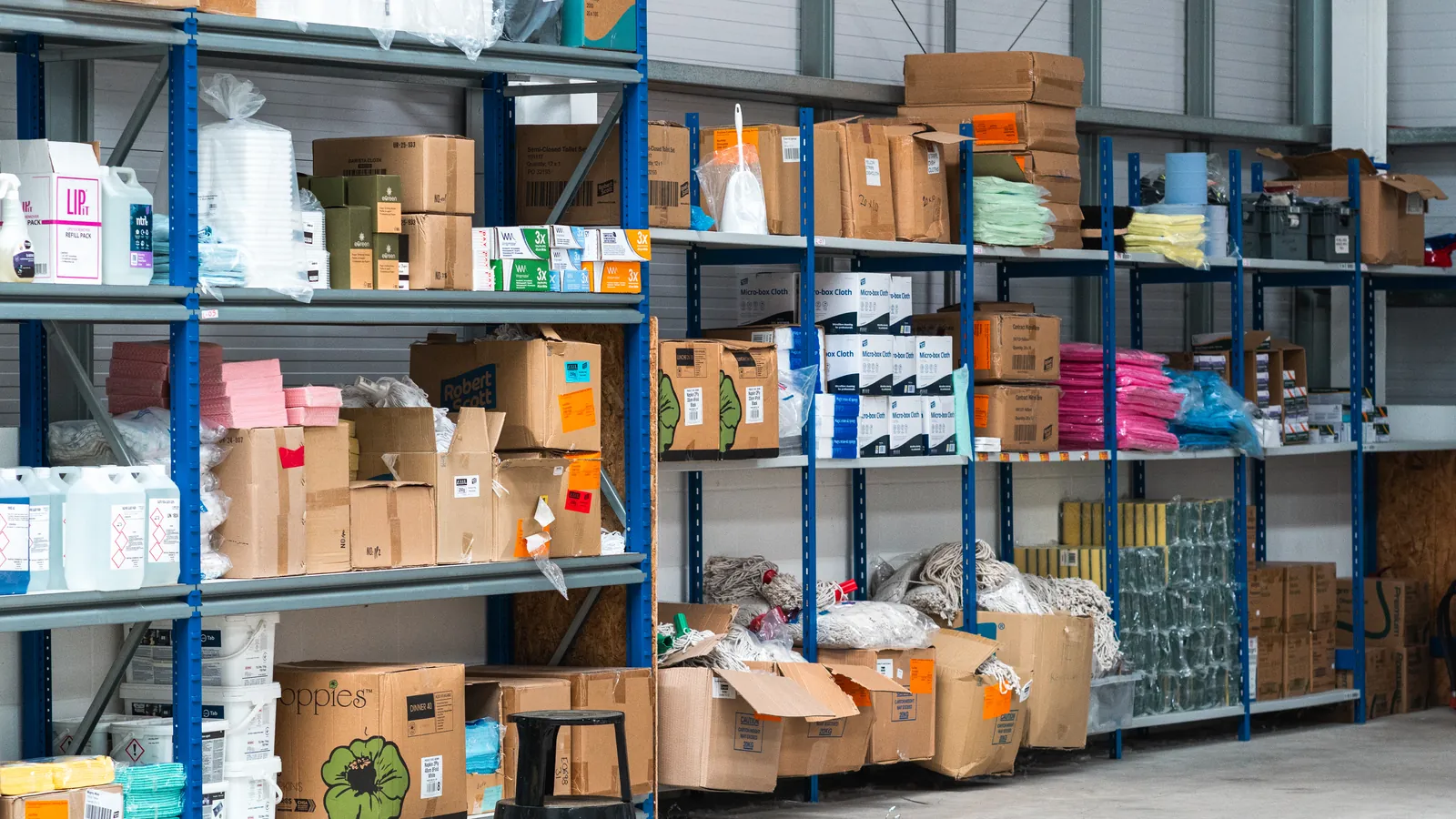
- Waste compounds, collection points and service routes.
The specification should also identify areas managed by caterers, exhibitors, venue staff or other contractors so responsibilities do not overlap or disappear.
Pre-event cleaning
The pre-event clean prepares the site before guests arrive. Schedule it around deliveries, staging and catering setup so the final clean is not undone by other suppliers.
- Floors, entrance matting and internal glass.
- Seating, hospitality and reception areas.
- Washroom cleaning and consumable restocking.
- Touchpoints, bins and back-of-house areas.
- Changing facilities, external approaches and presentation checks.
Live-event cleaning
Live cleaning is about maintaining standards while the venue is occupied. The team needs clear zones, a supervisor and a communication process for urgent issues.
- Washrooms, spillages and overflowing bins.
- Food and drink waste, broken glass and litter.
- High-footfall routes, entrances and hospitality spaces.
- Back-of-house service areas and emergency requests.
The plan should define radios or contact methods, escalation routes, storage points, restricted areas, break cover and response expectations.
Waste is part of event safety
HSE guidance on handling waste at events warns that accumulated event waste can block emergency access or escape routes, hamper movement, create trip hazards and increase fire risk. Waste handling can also expose staff to manual-handling injuries, sharp objects, infection and vehicle movement.
- Bin types, locations, capacity and emptying frequency.
- Food, glass, cardboard and recycling streams.
- Waste from concessions and temporary suppliers.
- Back-of-house storage and vehicle collection routes.
- Responsibilities for final disposal and unusual waste.
Washroom planning
Washrooms can determine how visitors judge the whole venue. A large event may need dedicated attendants rather than occasional checks.
- Cleaning and inspection frequency.
- Consumable levels and replenishment responsibility.
- Spill, blockage and odour reporting.
- Accessible and temporary facilities.
- Staff washrooms and final deep cleaning.
Post-event cleaning and handback
The post-event clean may begin as guests leave or once the venue closes. The critical question is when the site needs to be ready again. An overnight turnaround requires a different team and equipment plan from a venue with several clear days.
- Litter removal, bins and waste segregation.
- Seating, floors, washrooms and hospitality spaces.
- Bars, food-service areas and changing rooms.
- External approaches, loading zones and final presentation.
- Completion checks, photographs or a handover report where useful.
Information to give the cleaning contractor
- Event times, setup, breakdown and required handback.
- Expected attendance and areas in use.
- Food, drink and waste arrangements.
- Site map, access routes and restricted areas.
- Water, power, storage and security arrangements.
- PPE, vehicle and emergency-contact requirements.
- Known high-risk activities or unusual waste streams.
Build cleaning into the event plan
A clean venue does not happen because somebody orders a few extra bins. It requires realistic staffing, defined zones, good access and communication between the venue, organiser, caterers, waste teams and cleaning contractor.
Next step
Pristine Cleaning Services provides event and stadium cleaning across Yorkshire, including pre-event, live-event and post-event support. Involve the cleaning team early so the plan can be built around attendance, access and turnaround time. Request an event cleaning quote.
Frequently asked questions
How many cleaners does an event need?
It depends on attendance, venue size, event duration, food and drink, washroom numbers, waste volumes and the required turnaround. A site visit and event schedule are normally needed for an accurate plan.
Is event waste handled by the cleaning company?
It may be, but it must be agreed. Separate litter picking, bin emptying, waste movement, recycling and final collection or disposal in the specification.
Can a venue be cleaned overnight?
Yes, where access, staffing and waste arrangements make it possible. Confirm the required handback time before the event so the right team and equipment can be scheduled.
Build a specification for your venue
Our venues and stadium cleaning service can be discussed alongside the back-of-house cleaning standards guide for large sites and venues. Read about Pristine and our team and tell us the attendance, access and handback time when you enquire.