
Quick Answer
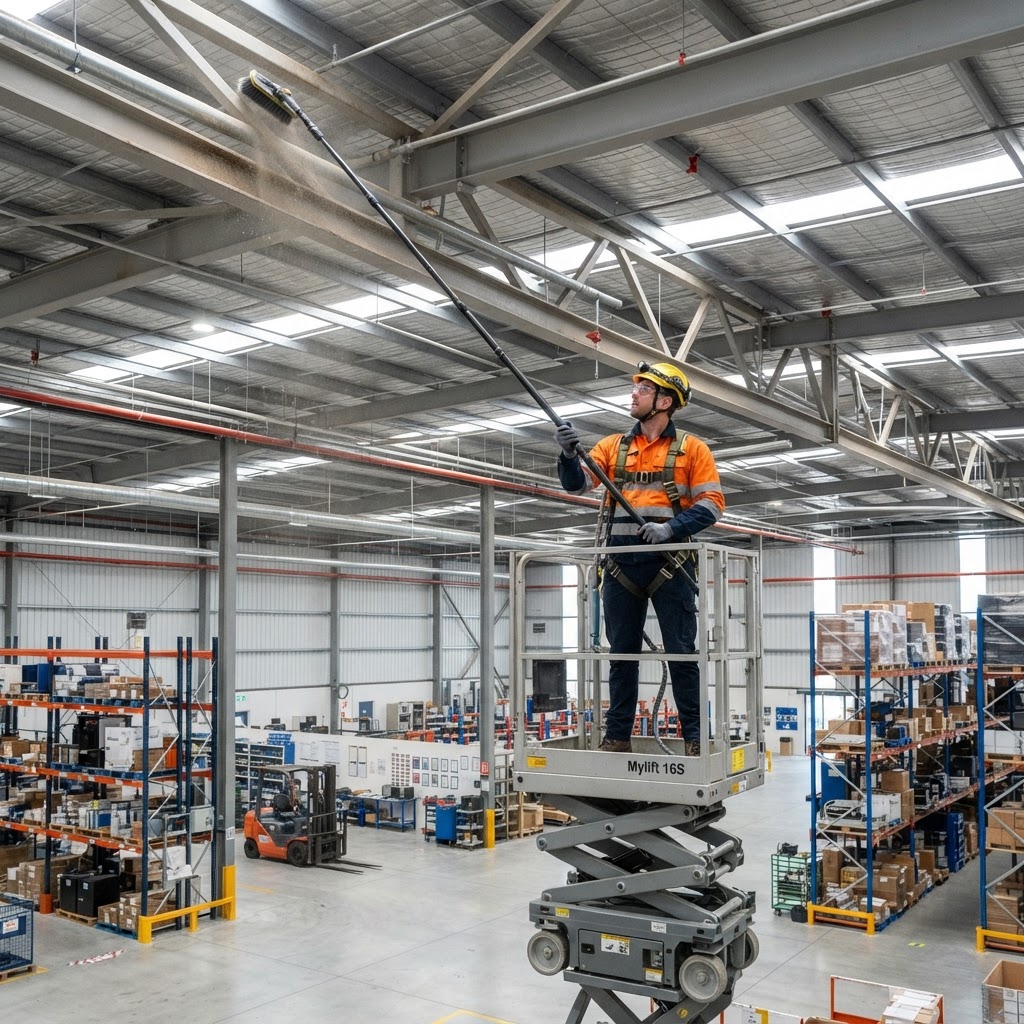
High-level cleaning covers the areas above normal reach. That can include ceilings, beams, vents, ducting, pipework, light fittings, internal cladding, high windows, canopies, warehouse racking, commercial kitchen extraction areas and dust sitting above eye level.
It is usually needed when dust, grease, cobwebs, residue or grime has built up in hard-to-reach places and normal cleaning is not enough.
What Counts As High-Level Cleaning?
High-level cleaning is not just "cleaning up high". It is cleaning work that needs the right access, equipment, planning and trained people.
Typical areas include:
- Warehouse beams and racking tops
- Factory ceilings and roof structures
- Pipework and ducting
- Vents and air handling areas
- Internal cladding and fascias
- Light fittings
- High internal windows
- Commercial kitchen canopies
- High walls and ledges
- Atriums, stairwells and large open spaces
If the area cannot be reached safely from the floor with ordinary cleaning equipment, it probably needs a high-level cleaning plan.
Why High-Level Areas Get Missed
Most cleaning routines are built around what people touch and see every day.
That means floors, desks, washrooms, kitchens, entrances and bins get the attention first. High-level areas are easy to ignore because they sit above normal working height. They do not always cause a problem straight away.
Then, slowly, they do.
Dust gathers on beams. Grease settles around kitchen extraction. Cobwebs collect in corners. Vents get dirty. Light fittings dull. In warehouses and factories, dust can fall back onto floors, stock, equipment and work areas.
By the time people notice, it is usually a bigger job than it needed to be.
When Does A Site Need High-Level Cleaning?
You should consider high-level cleaning when:
- Dust is visible on beams, vents or racking.
- Cobwebs are collecting in high corners.
- Grease has built up above kitchen equipment.
- Light fittings look dull or dusty.
- Stock or surfaces are getting dirty soon after cleaning.
- You are preparing for an audit or inspection.
- You are reopening, refurbishing or handing over a site.
- You are planning a shutdown clean.
- Staff cannot reach the area safely.
High-level cleaning is also useful before painting, maintenance or machinery work, because it gives contractors a cleaner and safer space to work in.
Why Safety Planning Matters
Working above ground level changes the job.
The HSE defines work at height as work where a person could fall a distance liable to cause personal injury. It also explains that work at height should be properly planned and organised, with competent people and suitable equipment.
For facilities managers, that means high-level cleaning should not be improvised with the nearest ladder and a hopeful attitude.
The plan should consider:
- What needs cleaning
- How high it is
- What access equipment is needed
- Whether staff, stock or machinery need moving
- Whether the area needs to be cordoned off
- How long the work will take
- Whether the clean can happen out of hours
- What products and methods are safe for the surface
- How the work will be checked afterwards
The access plan is part of the clean. It is not an extra detail.
Common High-Level Cleaning Jobs
Warehouses
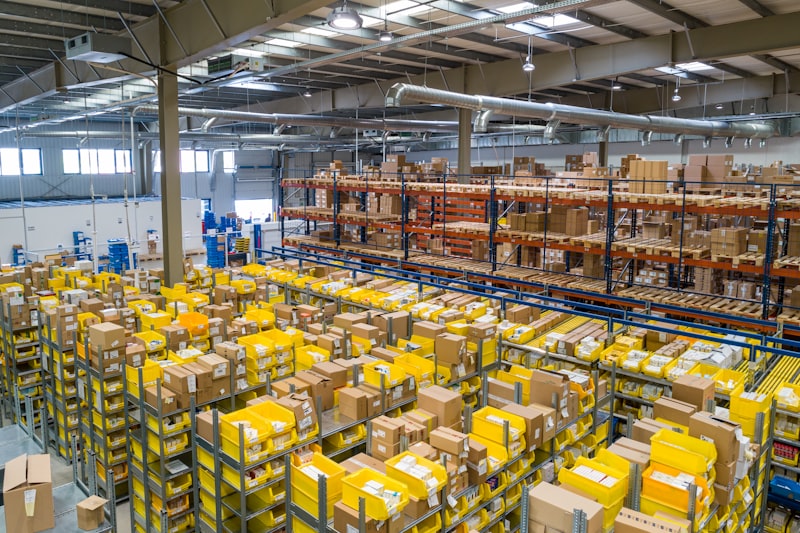
Warehouse high-level cleaning often includes:
- Racking tops
- Beams
- Vents
- Light fittings
- Roof structures
- Internal cladding
- Signage
- Loading bay structures
This helps stop dust dropping back onto stock, packing areas and walkways.
Factories And Industrial Sites
Factories can have more complex risks because of production equipment, oil, swarf, residue and restricted access.
High-level cleaning may include:
- Pipework
- Gantries
- Roof structures
- Machinery surrounds
- Internal fascias
- Dust-heavy overhead areas
- Hard-to-reach corners around production zones
This is usually best scheduled around shutdowns, maintenance windows or quieter shifts.
Commercial Kitchens
Commercial kitchens have their own challenges because grease and food residue can collect above the obvious work areas.
High-level cleaning may include:
- Canopies
- Vents
- Extraction surrounds
- Walls above cooking equipment
- Ceiling areas
- Light fittings
- High ledges and pipework
Where extraction and ductwork are involved, the cleaning plan should also consider TR19 Grease requirements and any insurer or landlord expectations.
Large Venues And Public Buildings
Venues, schools, leisure spaces and public buildings often have high ceilings, awkward stairwells, atriums and back-of-house areas.
High-level cleaning can improve presentation and help prevent dirt building up in areas that ordinary daily cleaning cannot reach.
How Often Should High-Level Cleaning Be Done?
Frequency depends on the site.
Useful triggers include:
- Dust levels
- Type of work carried out
- Grease production
- Footfall
- Ventilation
- Audit schedule
- Pest concerns
- Stock sensitivity
- Previous cleaning history
Some sites may need high-level cleaning once or twice a year. Others, especially busy kitchens, factories and high-dust warehouses, may need it more often.
A good contractor should inspect the site and recommend a realistic schedule, not guess.
What To Ask Before Booking High-Level Cleaning
Ask these questions:
- What areas can be reached safely?
- What access equipment will be used?
- Will work need to happen out of hours?
- Do we need to move stock, vehicles or machinery?
- How will you protect people below the work area?
- What products will be used?
- Are your operatives trained for this type of work?
- Will we receive before-and-after photos?
- What areas could not be reached, if any?
The answer should feel calm and specific. If it sounds vague, slow the process down.
How To Prepare Your Site
Before the cleaning team arrives:
- Share photos of the high-level areas.
- Confirm access routes and parking.
- Move stock if agreed.
- Tell staff about exclusion zones.
- Check whether alarms, permits or escorts are needed.
- Agree who signs the job off.
- Confirm power, water and lighting requirements.
Preparation keeps the cleaning time focused on the work itself.
Why Pristine For High-Level Cleaning?
Pristine Commercial Cleaning Services handles high-level cleaning across commercial and industrial sites in Yorkshire, including warehouses, factories, kitchens, large premises and hard-to-reach areas.
The job is not just to make the top of the building look better. It is to remove the build-up that daily cleaning cannot touch, while planning the work safely around your building and your team.
If you have dust, grease or grime above normal reach, ask Pristine to look at the site and advise what is realistic.
FAQs
What is high-level cleaning?
High-level cleaning is the cleaning of areas above normal reach, such as ceilings, beams, vents, ducting, light fittings, internal cladding, racking tops and high windows. It usually needs trained operatives, suitable access equipment and a planned method of work.
Why is high-level cleaning important?
High-level cleaning removes dust, grease, cobwebs and residue that ordinary cleaning often misses. If left alone, build-up can fall onto stock, floors, equipment or food areas. It can also affect presentation, hygiene, audits and staff working conditions.
How often should high-level cleaning be scheduled?
It depends on the site. Warehouses, kitchens, factories and high-footfall venues all build up dust or grease at different rates. Many sites plan high-level cleaning annually or twice a year, while higher-risk areas may need a more frequent schedule.
Can high-level cleaning be done while the site is open?
Sometimes, but it depends on access, risk and disruption. Many high-level cleans are better scheduled out of hours, during quieter shifts or in shutdown periods. This helps protect staff, visitors, stock and equipment while the work is carried out.