
Quick Answer
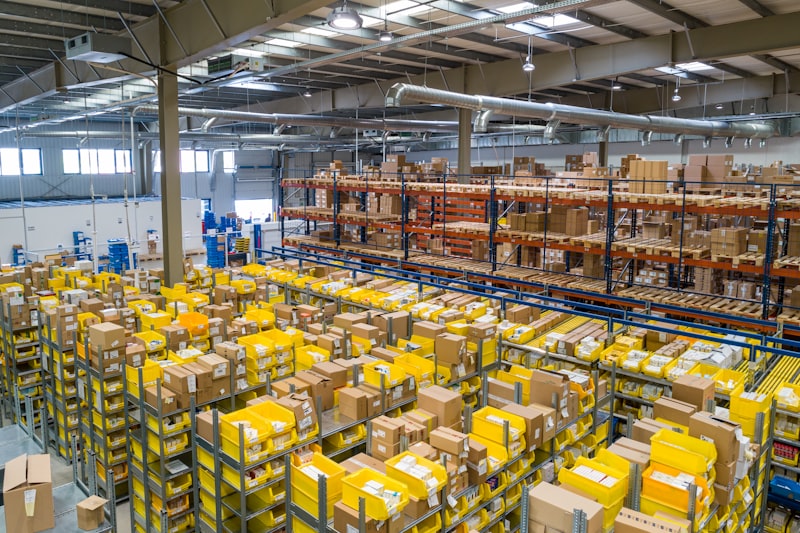
A warehouse cleaning checklist should cover more than floors. It needs to include racking, loading bays, high-level dust, walkways, welfare areas, waste zones, internal glass, cladding, doors, edges, corners and the areas around machinery or equipment.
The best checklist is built around how the warehouse actually works: goods in, goods out, staff movement, vehicles, stock rotation, waste, shift patterns and audit requirements.
Why Warehouses Need Their Own Cleaning Plan
Warehouses do not behave like offices.
They have more movement, more dust, more equipment, more edges and more places for dirt to sit unnoticed. A warehouse can look fine from the main walkway while dust builds up on racking, debris gathers around loading bays and residue settles on floors near machinery.
Cleaning matters because it affects:
- Slip and trip risk
- Stock condition
- Staff welfare
- Pest control
- Fire loading and waste control
- Audit readiness
- Presentation for visitors and clients
- The lifespan of flooring and surfaces
The HSE says cleaning is an important way for employers to manage slips and trips, but it also warns that cleaning can introduce hazards if wet floors, access routes and methods are not controlled.
In a warehouse, that balance matters. The site needs to be clean, but it also needs to keep moving safely.
Daily Warehouse Cleaning Checklist
Daily cleaning should keep the site safe, usable and presentable.
Walkways And Pedestrian Routes
- Sweep or clean main pedestrian routes.
- Remove loose debris and packaging.
- Check for spills, dust patches and slip risks.
- Keep fire exits and escape routes clear.
- Clean door handles, push plates and high-touch access points.
- Report damaged floor markings or trip points.
Loading Bays
- Clear loose rubbish, shrink wrap and broken pallets.
- Sweep dock edges and threshold areas.
- Remove spillages quickly.
- Check drainage points where relevant.
- Wipe frequently touched doors, buttons and handles.
- Make sure waste does not block vehicle or pedestrian routes.
Waste And Recycling Areas
- Empty bins before they overflow.
- Clear loose cardboard and packaging.
- Keep lids closed where bins are used for food or mixed waste.
- Sweep around bins, cages and compactors.
- Record recurring odours, leaks or pest signs.
Welfare Areas
Warehouse cleaning should not stop at the warehouse floor.
Daily welfare cleaning should include:
- Staff toilets
- Break rooms
- Sinks and taps
- Tables and worktops
- Appliance fronts
- Touchpoints
- Floors
- Bins
Staff areas affect morale and hygiene. They are also the areas where complaints tend to arrive first.
Weekly Warehouse Cleaning Checklist
Weekly tasks should deal with areas that daily cleaning does not fully cover.
Floors, Edges And Corners
- Machine clean or scrub hard floors where needed.
- Pay attention to edges, skirting lines and corners.
- Remove compacted dust around barriers and posts.
- Spot treat oil, tyre marks or residue.
- Check whether cleaning products are suitable for the floor type.
The right cleaning method matters. Too much water, the wrong detergent or poor drying can create a new slip risk instead of solving the old one.
Racking And Storage Areas
- Dust accessible racking beams and lower shelving.
- Remove debris from stock locations.
- Check for product residue, damaged packaging or spill marks.
- Clean around pick faces and high-use storage zones.
- Report any areas that need higher-level access.
Doors, Glass And Internal Panels
- Clean internal glass, viewing panels and door glass.
- Wipe roller shutter controls and touchpoints.
- Remove marks from frames and handles.
- Clean staff entrance points and reception areas if attached to the warehouse.
Monthly Warehouse Cleaning Checklist
Monthly cleaning should focus on build-up, overlooked zones and planned improvements.
High-Level Dust
High-level dust is easy to miss because it is not in the normal line of sight.
Check:
- Racking tops
- Beams
- Pipework
- Ducts
- Vents
- Light fittings
- Signage
- Internal cladding
- Ceiling areas
If dust is falling back onto stock, equipment or walkways, the warehouse needs more than floor cleaning.
Loading Bay Deep Clean
Loading bays take a lot of abuse. Monthly cleaning should include:
- Dock edges
- Door surrounds
- Barrier bases
- Drain channels
- Wall marks
- External thresholds
- Waste holding points
This is especially important where goods, food products, packaging or weather exposure create extra mess.
Welfare And Back-of-House Review
Use a monthly review to check whether welfare areas are coping with site use.
Look for:
- Odours
- Limescale
- Grease around appliances
- Marks around bins
- Damaged dispensers
- Floors that need detail cleaning
- Stock shortages for soap, towels or toilet roll
Quarterly Or Annual Warehouse Deep Cleaning
Some work does not need doing every week, but should still be planned.
That may include:
- Full warehouse floor scrub
- High-level dust removal
- Racking deep clean
- Internal cladding clean
- Exterior cladding or facade cleaning
- Gutter cleaning
- Solar panel cleaning
- Machinery-area cleaning
- Deep cleaning during shutdown
The right frequency depends on site size, dust levels, stock type, traffic, audits and whether the warehouse is attached to manufacturing or food operations.
Areas Facilities Managers Often Miss
The problem areas are usually the ones people stop seeing.
Watch for:
- Dust above eye level
- Debris behind racking legs
- Spill marks around battery charging areas
- Cardboard build-up near waste zones
- Dirty door tracks
- Grease or residue near maintenance areas
- Handrails and push plates
- External thresholds
- Welfare bins and cupboards
- Cobwebs around beams, lights and high corners
If a visitor, auditor or member of staff can point at it, it probably needs a place on the cleaning plan.
How To Reduce Downtime During Warehouse Cleaning
Cleaning a warehouse does not have to stop the whole operation.
Plan around:
- Shift changes
- Quieter dispatch windows
- Weekend work
- Banked shutdown periods
- Zone-by-zone cleaning
- Clear routes for forklifts and pedestrians
- Temporary exclusion areas
- Drying times for floors
For larger sites, it is often better to clean in planned sections than to attempt one rushed clean across the entire building.
What To Ask A Warehouse Cleaning Contractor
Before booking a warehouse clean, ask:
- Have you cleaned similar warehouse or industrial sites?
- Can you work around our shift pattern?
- What access equipment might be needed?
- How will you manage wet floors and exclusion areas?
- What products will be used?
- Are operatives trained for the site environment?
- Can you clean high-level dust safely?
- Will we receive photos or a handover summary?
- What needs moving before the clean?
A good contractor will ask questions back. That is usually a good sign.
How Pristine Can Help
Pristine Commercial Cleaning Services works across warehouses, factories, industrial sites, offices, public buildings and commercial kitchens across Yorkshire.
The team can support routine cleaning, planned deep cleans, high-level cleaning and harder-to-reach industrial areas. The aim is simple: keep the site clean, safe and easier to manage without causing unnecessary disruption.
If your warehouse has problem areas that keep coming back, book a site survey and build the cleaning plan around the way the site actually runs.
FAQs
What should be included in a warehouse cleaning checklist?
A warehouse cleaning checklist should include floors, walkways, loading bays, racking, high-level dust, welfare areas, waste zones, internal glass, doors, touchpoints, external thresholds and hard-to-reach corners. It should be split into daily, weekly, monthly and periodic deep-cleaning tasks.
How often should a warehouse be professionally cleaned?
Frequency depends on site use, stock type, footfall, vehicle movement, dust levels and audit requirements. Busy warehouses may need daily routine cleaning plus periodic deep cleans. Lower-use sites may need less frequent visits, with high-level and floor cleaning scheduled separately.
Why is high-level dust a problem in warehouses?
High-level dust can fall onto stock, walkways, machinery and packing areas. It can also affect presentation and make routine cleaning feel like it never lasts. Racking tops, beams, vents, ducting and light fittings should be checked as part of a planned warehouse cleaning review.
Can warehouse cleaning be done out of hours?
Yes. Many warehouse cleans are planned around shift changes, weekends, quieter dispatch periods or shutdown windows. This helps reduce disruption, manage drying times and keep staff, vehicles and cleaning teams safely separated.